DIU exposes 20 vessels of Russia's shadow fleet helping circumvent sanctions
The Main Directorate of Intelligence of the Ministry of Defense of Ukraine has released information on 20 maritime vessels that export Russian oil, petroleum products, and liquefied natural gas, as well as refuel sanctioned vessels.
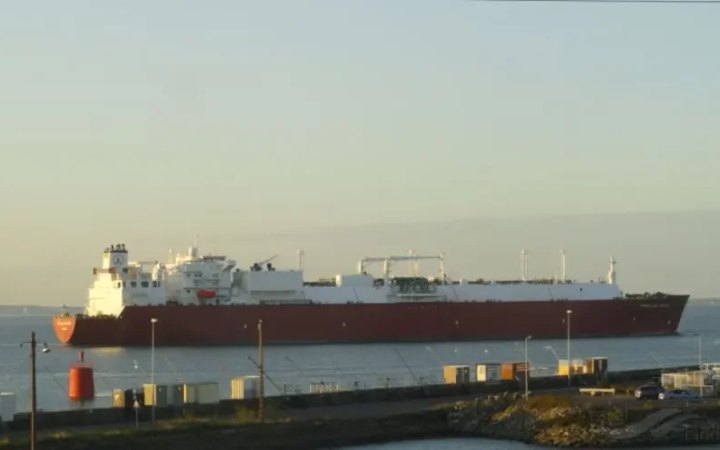
According to the DIU, these vessels are part of the logistics network used by Russia to generate revenue from energy exports.
All 20 vessels are under sanctions by Great Britain or Ukraine, and one of them is also under US sanctions.
Among the vessels is the Russian gas carrier PORTOVYY (IMO 9246621), which has belonged to the sanctioned Gazprom since 2021. It is used as a floating gas storage facility within the Portovaya complex in Leningrad Oblast.
On August 15, 2026, the vessel carrying Russian liquefied natural gas left the waters of the Gulf of Finland for the first time since November 2021. Via the Northern Sea Route, it reached the Chinese port of Beihai for unloading. Currently, according to the DIU, the gas carrier is located at the Zhoushan Huafeng Shipyard on Zhoushan Island.
Intelligence also reported on two gas carriers that joined the Russian shadow fleet in the spring of 2026.
AVACHA (IMO 9319404) previously belonged to the Chinese company Jovo Energy. In the spring of 2026, it was acquired by Tudor Maritime Ltd from the Marshall Islands. Since June, the vessel has been sailing under the Russian flag, and since August, according to the DIU, it has been transporting gas from the Utrenniy terminal of the Arctic LNG 2 project to the Chinese port of Beihai.
CHAIVO previously belonged to the Greek company Maran Gas Maritime, after which it was also acquired by Tudor Maritime Ltd. In July 2026, the vessel switched to the Russian flag. Since August, it has been transporting gas to Beihai from the KORYAK FSU floating storage facility near Petropavlovsk-Kamchatsky.
According to intelligence, both gas carriers are managed by the Russian company Cryoline Management.
Ukrainian military intelligence urged international partners to strengthen control over the sale of vessels, block the servicing of the sanctioned fleet at foreign shipyards, and cut off Russia's sources of revenue from energy exports.
Data on the vessels was published on the War&Sanctions portal via the link.