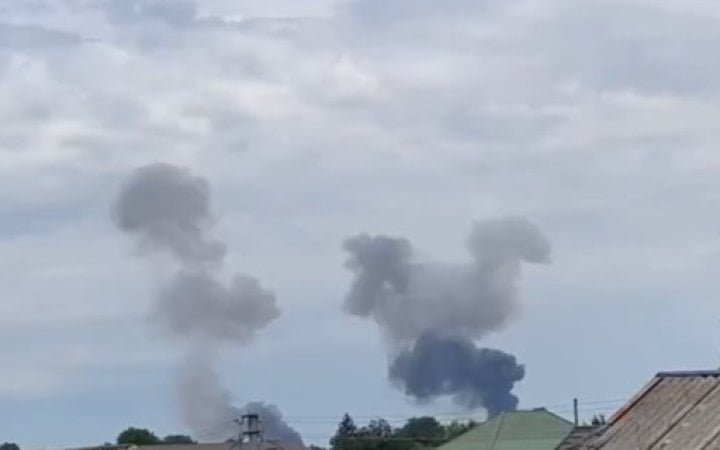
Лубінець: More 16 Ukrainians managed to return from the temporarily occupied territories
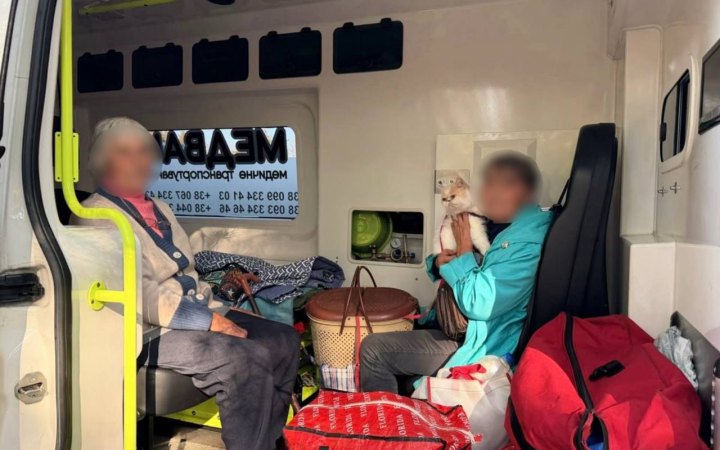
16 Ukrainians returned from the temporarily occupied territories to the territory controlled by Ukraine. The evacuation was organized through the checkpoint «Нові Яриловичі».
I told the Commissioner. Верховної Ради Human Rights Дмитро Лубінець.
According to him, the return of each person requires an individual approach, preparation and coordination. Some of the evacuated need medical assistance, others need restoration of documents, temporary housing, psychological support or assistance in reuniting with relatives.
МХП and its founder and CEO Юрій Косюк helped in the organization of the evacuation. After crossing the border, Ukrainians are supported, in particular, by the specialists of the «Карітас України» charity fund, who provide financial assistance, temporary accommodation and social support.
One of the women remained in the occupied territory for a long time on her own. Due to health problems and limited mobility, she could not independently reach the territory controlled by Ukraine. For her return, it was necessary to organize special transportation, medical support and a safe route.
Another story concerns a couple from the temporarily occupied Luhansk region. In April of this year, a woman suffered a massive stroke and needed constant care. Her husband, an elderly man with a disability and the liquidator of the accident at the Chernobyl АЕС, also needed treatment and could no longer care for his wife on his own.
The couple planned to evacuate to Kiev, where their daughter was waiting for them. However, before the departure, the woman died. Only her husband was able to return to the territory controlled by Ukraine.
The Ombudsman stressed that work on the return of Ukrainians from the temporarily occupied territories is ongoing. Experts are working on appeals, assessing security risks and coordinating actions with partners to help people leave and get the necessary support.