
Virtual reality helped reduce phantom pain after leg amputation: study results
The study involved 36 people with phantom pain after leg amputation: 19 participants had an amputation above the knee and 17 had an amputation below the knee. They were divided into two groups who underwent different types of treatment using virtual reality.
The first group received active VR treatment, which involved leg movements and visual feedback - participants saw virtual reproduction of the missing limb. The second group used a commercial VR-product for pain relief, based on distraction.
Each participant underwent eight treatment sessions. The researchers assessed the intensity of the pain and its characteristics before the start of therapy, immediately after its completion, and after one and eight weeks.
The results showed that after active VR treatment, the intensity of pain and its characteristics significantly improved. The decrease in pain intensity was maintained for a week after the end of therapy, and positive changes in the characteristics of pain - for eight weeks.
The group that used VR for distraction also recorded a decrease in pain intensity when observing changes from one session to the next. However, according to the main indicators before and after treatment, statistically significant changes were found only in the active therapy group.
The authors note that the results indicate the potential of virtual reality in the treatment of phantom pain, in particular with the help of visual reproduction of the missing limb. At the same time, the study covered a small number of participants, and its results still have to undergo an independent scientific evaluation.
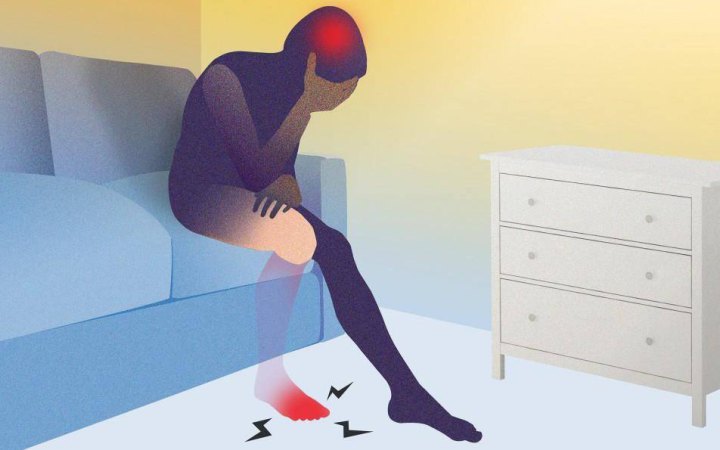
Phantom pain is the pain that a person feels in the limb absent after amputation. According to the researchers, up to 85% of people after amputation can experience such pain. It can significantly affect everyday life and rehabilitation.