Mazepists, Petlyurites, Banderites: Russia has consistently created "myths" about Ukrainians, - Portnikov
Updated: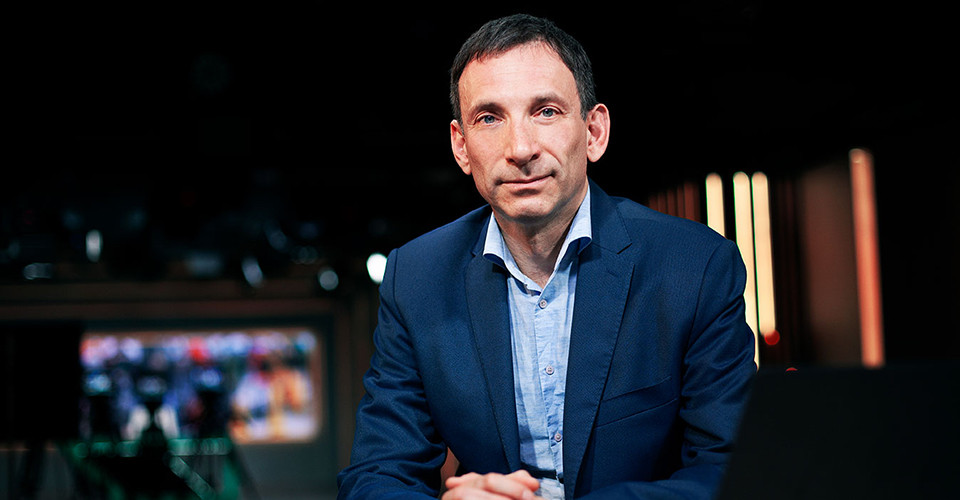
Russian propaganda has spent decades cementing the images of Ukrainian figures as radical enemies, using historical conflicts and accusations, particularly regarding cooperation with other nations and institutions. This is how myths were formed around Ivan Mazepa, Symon Petlyura and Stepan Bandera
Journalist Vitaliy Portnikov stated this on Espreso.
According to him, Russia's hostility toward Ukrainian figures who personified the national-state project significantly influenced how they became entrenched in Ukrainian historical memory. Moscow consistently chose figures it considered the most radical representatives of Ukrainian state-building and turned them into symbols of hostility toward Russia.
"Mazepists, Petlyurites, Banderites - that is how Ukrainians were consistently called. Who are all these people? They are supporters of the national-state project. And a figure who seems radical is chosen. Mazepa is perceived as the most radical of the hetmans, Petlyura as the most radical of the figures of the Ukrainian People's Republic, Bandera as the most radical among the figures of the Organization of Ukrainian Nationalists," Portnikov explained.
The journalist noted that to reinforce such myths, Russian propaganda used conflicts and negative attitudes toward certain Ukrainian figures in other countries. In particular, in the case of Symon Petlyura, it used the topic of Jewish pogroms that took place during the Ukrainian Revolution.
Portnikov emphasized that the pogroms were real, large-scale and bloody, but responsibility for them cannot be automatically assigned personally to Petlyura. According to him, the figures of the Ukrainian People's Republic in the conditions of revolutionary chaos did not have full control over their own troops.
At the same time, propaganda tied these crimes directly to Petlyura's name, using, in particular, the trial after his assassination.
"Petlyura, who essentially was a judophile, who had the Ministry of Jewish Affairs, who appealed with the demand not to commit Jewish pogroms, whose officers shot people for Jewish pogroms. But there were pogroms, they were horrific, mass, bloody. And so they took advantage of this - they created this story with the assassination of Petlyura by Schwarzbard. This is how not just a Russian, but a Russian-Jewish myth about Petlyura is created," the journalist said.
A similar mechanism, according to Portnikov's assessment, was also used in shaping the image of Stepan Bandera. Russian propaganda used the negative attitude toward him in Poland to confirm its own accusations against the Ukrainian nationalist movement.
He named Ivan Mazepa as a separate example, whom Russia sought to present as an enemy not only of the state, but also of the church. In particular, a church anathema was applied against the hetman, and his name remained a symbol of betrayal in the Russian historical narrative for a long time.
According to Portnikov, Russia continues to look for historical figures and conflicts that can be used to discredit the Ukrainian national-state project.